
Alameda County Juvenile Hall Inmate Search helps families, legal teams, and community members locate detained youth quickly and safely. The official system is run by the Alameda County Sheriff’s Office and offers real-time data on bookings, charges, court dates, and visitation rules. Users can search by name or Personal File Number (PFN) through a secure online portal that updates every 24 hours. This service supports transparency, protects privacy rights, and ensures accurate information reaches those who need it most.
How to Use the Official Alameda County Juvenile Hall Inmate Search Tool
Start your search at the Alameda County Sheriff’s inmate locator page. First, check the box to show only bookings from the past 24 hours. Then enter either the full first and last name of the youth or their Personal File Number if you have it. Next, type the characters shown in the security image to prove you’re not a robot. Finally, click “Find Inmate” to see results. The system displays booking date, classification, charges, bond amount, and mugshot links when available. All data comes directly from official records and refreshes daily.
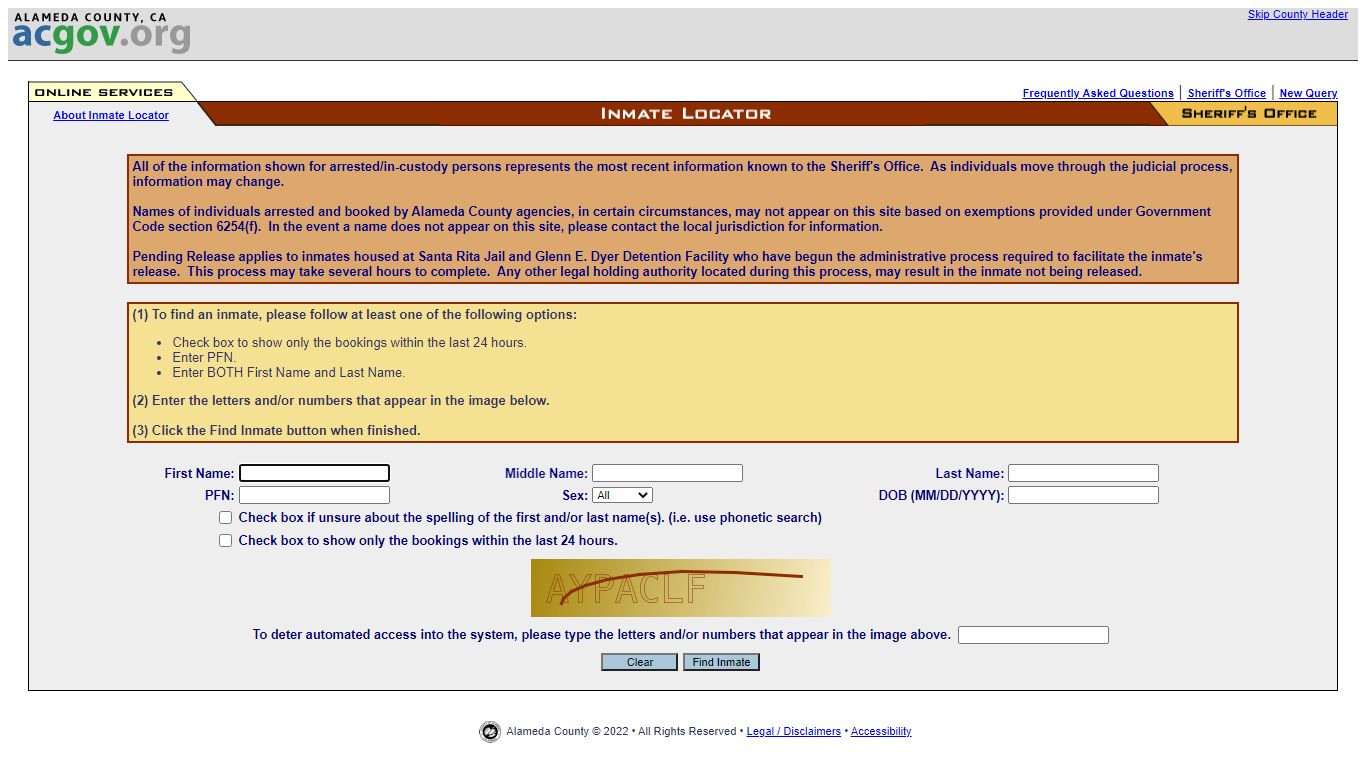
Key Features of the Alameda County Juvenile Hall Inmate Search System
The search tool includes filters for recent bookings, name matching, and PFN lookup. Results show current housing status, program assignment, and next court appearance. Users can also view public mugshots and download visitation guidelines. The system connects to VINELINK for live updates on release dates and custody changes. All searches are logged for security but do not require user registration. Information is free and accessible 24/7 from any device with internet access.
Understanding Juvenile Detention in Alameda County
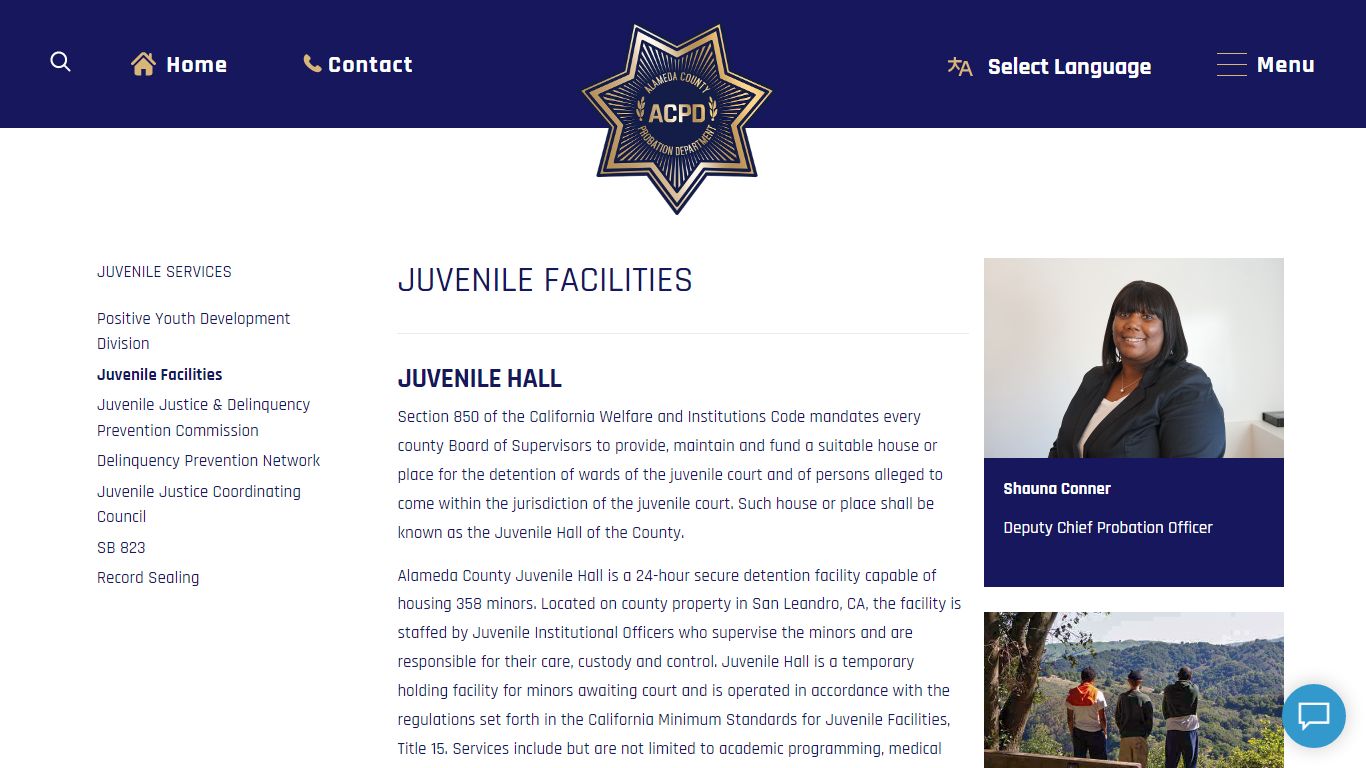
Alameda County Juvenile Hall sits on a 12-acre site in San Leandro and holds up to 358 youth ages 12 to 20. The facility operates under strict state and county regulations designed to protect minors while ensuring public safety. Daily routines include school classes, medical checkups, mental health services, and structured recreation. Security uses controlled entry points, video monitoring, and separate units for high-risk individuals. Staff are trained juvenile institutional officers who follow California’s Welfare and Institutions Code.
Visitation Rules and Schedules at Alameda County Juvenile Hall
Visits happen twice daily: 9:00 AM to 11:30 AM and 1:30 PM to 4:00 PM. Each visitor must bring a government-issued photo ID like a driver’s license or passport. Only approved adults may visit, and all bags and phones are checked at entry. The address is 2500 Fairmont Drive, San Leandro, CA 94578. Call 510-667-7450 to confirm eligibility or ask questions. Online check-in is available via QR code posted at the facility. No gifts, food, or electronics are allowed inside.
Contact Information and Direct Links for Inmate Searches
For phone help, call the main line at 510-667-7450 during business hours. The Juvenile Justice Center uses a separate number: 510-667-4970. Mailing address for legal documents is 2500 Fairmont Drive, San Leandro, CA 94578. Official websites include the Sheriff’s Office inmate locator and the Probation Department’s facility page. Always use .gov links to avoid fake sites. Never pay third parties for basic inmate information—it’s free from official sources.
Common Reasons People Search for Juvenile Inmates
Families want to confirm a child’s safety and location after an arrest. Lawyers need booking details for case preparation. Social workers track custody status for court reports. Community advocates monitor conditions and rights compliance. Schools may need records for attendance or counseling. All searches must respect privacy laws—California limits public access to juvenile records more than adult ones. Only certain data like name, booking date, and charges are shared openly.
Privacy Protections for Minors in Custody
California law shields most juvenile records from public view. The inmate search tool only shows limited info to protect identities. Full case files, medical notes, and therapy records stay sealed. Parents or guardians can request more details through formal channels. Unauthorized sharing of mugshots or personal data may violate state privacy rules. Always consult a lawyer before using or posting any juvenile information online.
How VINELINK Enhances Real-Time Inmate Tracking
VINELINK gives instant alerts when a youth’s status changes—like release, transfer, or court date updates. Users sign up with an email or phone number and choose notification preferences. The system pulls data directly from Alameda County’s justice database. It’s free, secure, and available in English and Spanish. VINELINK also provides maps, directions, and visitation rules. This service reduces calls to staff and keeps families informed without delays.
Recent Updates and Policy Changes in Alameda County Juvenile Facilities
In March 2025, the District Attorney charged two sheriff’s deputies and one correctional officer with falsifying reports and unlawful confinement. These cases highlight ongoing reforms in juvenile detention practices. The county now requires body cameras for all staff interactions and monthly independent reviews of segregation use. Education programs expanded to include vocational training and college prep. Mental health counselors are on-site daily. These changes aim to reduce recidivism and support rehabilitation.
Frequently Asked Questions About Juvenile Inmate Searches
Many people wonder how long it takes for a booking to appear online—usually within 24 hours. Others ask if they can visit the same day as booking—no, there’s a mandatory 24-hour hold for processing. Some worry about costs—there are none for searching or basic info. Legal aid groups offer free help if you can’t afford a lawyer. Always verify information through official channels to avoid scams.
Official Resources and Trusted Websites
Use only government-run sites for accurate data. The Sheriff’s Office portal at acgov.org/sheriff_app is the primary source. The Probation Department’s page lists facility rules and programs. VINELINK handles real-time alerts. Avoid commercial sites that charge fees or sell background checks—they often reuse old or incomplete data. Bookmark the .gov links for quick access.
Emergency Contacts and Crisis Support
If a youth is in medical or mental health crisis, call 911 immediately. For non-emergencies, contact the Juvenile Hall medical unit at 510-667-7450 ext. 2200. Suicide prevention hotlines like 988 are available 24/7. Family members can request welfare checks through the Probation Department. Always provide the youth’s full name and date of birth when calling.
Mailing Letters and Legal Documents
Send mail to: [Youth’s Full Name], Alameda County Juvenile Hall, 2500 Fairmont Drive, San Leandro, CA 94578. Include return address and avoid envelopes with stickers or drawings. Legal papers must be marked “Confidential” and go directly to the assigned attorney or judge. Packages are not accepted—only flat letters and postcards. All mail is screened for contraband.
Transportation and Directions to the Facility
The Juvenile Justice Center is off I-880 at the Fairmont Drive exit. From Oakland, take I-880 south and turn left onto Fairmont. From Fremont, use I-880 north and turn right. AC Transit Line 12 stops nearby at Fairmont and Almond. Parking is free but limited—arrive early for visits. Uber and Lyft drop off at the main gate. No public tours are offered.
Bond and Release Information
Most juveniles cannot post bond like adults. Instead, judges decide release based on risk assessments and home plans. If bond is set, families work through approved bail bondsmen. The inmate search shows bond amounts when applicable. Release dates depend on court schedules—weekends and holidays cause delays. VINELINK sends alerts when a youth is released.
Educational and Rehabilitation Programs
Youth attend school Monday through Friday with certified teachers. Subjects include math, English, science, and life skills. Vocational options cover auto repair, culinary arts, and coding. Counselors provide trauma therapy and substance abuse treatment. Volunteers run art, music, and sports activities. These programs aim to reduce future offenses and build confidence.
Reporting Abuse or Concerns About Conditions
To report mistreatment, call the Office of the Inspector General at 510-208-4900. You can also email complaints to oig@acgov.org. All reports are confidential. The California Department of Justice oversees juvenile facility standards. Independent monitors conduct surprise inspections quarterly. Families may request meetings with supervisors if issues arise.
Historical Data and Population Trends
Alameda County’s juvenile population dropped 40% since 2015 due to diversion programs and policy reforms. Average daily population is now around 120 youth, down from 200 a decade ago. Most detainees are held for non-violent offenses like theft or probation violations. Racial disparities persist—Black youth are overrepresented compared to county demographics. The county publishes annual reports on these trends.
Role of the Probation Department
The Alameda County Probation Department manages intake, classification, and release planning. Officers assess each youth’s risk level and needs within 48 hours of arrival. They coordinate with schools, social services, and courts. Probation also runs community-based alternatives to detention, like electronic monitoring and counseling. Their goal is rehabilitation over punishment.
Legal Rights of Detained Youth
Every minor has the right to an attorney, medical care, education, and contact with family. They cannot be held without charges for more than 48 hours. Parents must be notified immediately after arrest. Youth can refuse to speak without a lawyer present. Grievance forms are available in every unit. These rights are protected under California and federal law.
How Schools Stay Connected During Detention
School districts assign liaison officers to transfer records and continue instruction. Teachers visit the facility or use video conferencing. Credits earned count toward graduation. Special education services continue under IEPs. Upon release, schools help re-enroll students quickly to prevent dropout. This collaboration reduces academic gaps.
Mental Health Services Available On-Site
Psychiatrists, psychologists, and social workers provide daily care. Screenings happen within 24 hours of intake. Therapy sessions address trauma, anxiety, depression, and addiction. Medication is managed by licensed nurses. Crisis intervention teams respond to emergencies. Confidentiality is maintained except in life-threatening situations.
Volunteer and Community Partnership Opportunities
Local nonprofits tutor, mentor, and lead workshops. Faith groups offer spiritual support. Artists teach creative expression. All volunteers undergo background checks and training. The county prioritizes programs that build skills and self-esteem. Interested groups should contact the Probation Department’s community outreach coordinator.
Technology Use and Restrictions for Youth
Cell phones are prohibited. Limited tablet use is allowed for education and approved apps. Internet access is filtered and monitored. Video calls with lawyers are permitted. Personal devices brought in are stored until release. Staff ensure technology supports learning, not distraction or harm.
Aftercare and Reentry Support
Before release, staff create transition plans with housing, school, and job options. Partner agencies provide job training and mentorship. Parole officers check in weekly. Family counseling helps rebuild relationships. The goal is successful reintegration and reduced re-arrest rates.
Comparing Juvenile Hall to Adult Jails in Alameda County
Juvenile facilities focus on rehabilitation, not punishment. Education, therapy, and family contact are priorities. Adult jails emphasize security and court processing. Minors cannot be housed with adults under state law. Conditions, programs, and rights differ significantly between the two systems.
Impact of State Laws on Local Operations
California’s SB 823 shifted responsibility for youth justice from state to counties. Alameda now funds and runs its own programs. Recent bans on life-without-parole for juveniles affect sentencing. New rules limit solitary confinement and require trauma-informed care. These laws shape daily operations and long-term planning.
Data Transparency and Public Reports
The county publishes monthly stats on population, demographics, and incidents. Annual reports detail program outcomes and budget use. Data is available on the Sheriff’s and Probation websites. Researchers and advocates use this info to push for reforms. Transparency builds public trust and accountability.
How to Help a Youth After Release
Offer stable housing, emotional support, and encouragement. Connect them with mentors and jobs. Attend court hearings and school meetings. Avoid judgment—focus on solutions. Local organizations provide free resources for families. Recovery takes time and community effort.
Misconceptions About Juvenile Detention
Many believe all youth are dangerous or beyond help—this is false. Most are first-time offenders facing difficult life circumstances. Others think detention is like TV prisons—it’s structured, educational, and regulated. Some assume searches reveal full criminal histories—they don’t. Accurate knowledge prevents stigma and supports fair treatment.
Future of Juvenile Justice in Alameda County
Plans include smaller, neighborhood-based centers instead of large facilities. More funding will go to prevention and mental health. Restorative justice practices will expand. Technology will improve family communication and case tracking. The focus remains on healing, not incarceration.
Final Tips for Successful Inmate Searches
Use exact spelling when entering names. Check multiple times if no results appear—try nicknames or middle names. Bookmark the official site to avoid fake pages. Call if you’re unsure—staff are trained to help. Stay patient; systems update regularly but not instantly. Your persistence helps keep youth connected to their support networks.
Official Contact Details
Alameda County Juvenile Hall
2500 Fairmont Drive, San Leandro, CA 94578
Main Phone: 510-667-7450
Juvenile Justice Center: 510-667-4970
Visitation Hours: 9:00 AM–11:30 AM and 1:30 PM–4:00 PM
Website: https://www.acgov.org/sheriff_app/
VINELINK: https://vinelink.com
Frequently Asked Questions
People often have detailed questions about how the Alameda County Juvenile Hall Inmate Search works, what information is available, and how to support youth in custody. Below are answers to the most common concerns based on official policies and recent updates.
How quickly does a new booking appear in the inmate search system?
New bookings usually show up within 24 hours of intake. The system updates once per day, so if someone was booked late at night, their record might not appear until the next afternoon. Always check the “bookings within the past 24 hours” filter for the most recent entries. If you don’t see a name after 48 hours, call 510-667-7450 to confirm processing status. Delays can happen due to paperwork, medical holds, or court scheduling.
Can I visit a youth the same day they’re booked?
No, visits are not allowed on the day of booking. California law requires a minimum 24-hour hold for processing, health screening, and classification. This ensures safety for all residents and staff. After the first day, visitation depends on the youth’s program assignment and behavior. Check the online roster for approved visitation status or call ahead to confirm eligibility. Plan visits for the following day or later.
Is there a fee to use the inmate search tool or get basic information?
No, all basic services are free. The official Alameda County Sheriff’s Office website provides inmate lookup, jail rosters, and visitation rules at no cost. Avoid third-party sites that charge fees—they often repackage public data. The only potential costs are for certified documents requested through formal channels, which require a small administrative fee. Never pay for simple name or booking details.
What should I do if I suspect abuse or unsafe conditions?
Report concerns immediately to the Office of the Inspector General at 510-208-4900 or oig@acgov.org. You can remain anonymous. Include the youth’s name, date of incident, and description of what happened. The county investigates all claims within 72 hours. For emergencies, call 911. Independent monitors also conduct regular inspections, and findings are published annually. Your report could protect others.
How can families stay involved in a youth’s education during detention?
Schools assign liaison officers to coordinate continued learning. Teachers provide materials and sometimes teach on-site. Parents should contact the youth’s school district immediately to request record transfers and IEP meetings. Homework packets are available, and video calls with teachers are permitted. Upon release, districts must re-enroll students within five days. Staying engaged improves outcomes and reduces dropout risks.
Are mugshots of juveniles publicly available?
Limited mugshot links appear in the inmate search when authorized by law. California restricts full disclosure to protect minors’ privacy. Only name, booking date, charges, and bond amount are routinely shared. Full photos or detailed records require a court order or guardian request. Unauthorized sharing online may violate state privacy laws. Always consult legal counsel before distributing any images.
What happens if a youth needs urgent medical care?
Medical staff are on duty 24/7. If a life-threatening emergency occurs, 911 is called immediately. For non-urgent issues, nurses conduct daily health checks and refer to on-site doctors or outside hospitals as needed. Families are notified of serious conditions within hours. Medication is managed by licensed professionals. If you believe care is delayed, contact the medical unit at 510-667-7450 ext. 2200.